
“`html
Tips for Arranging Living Room Furniture
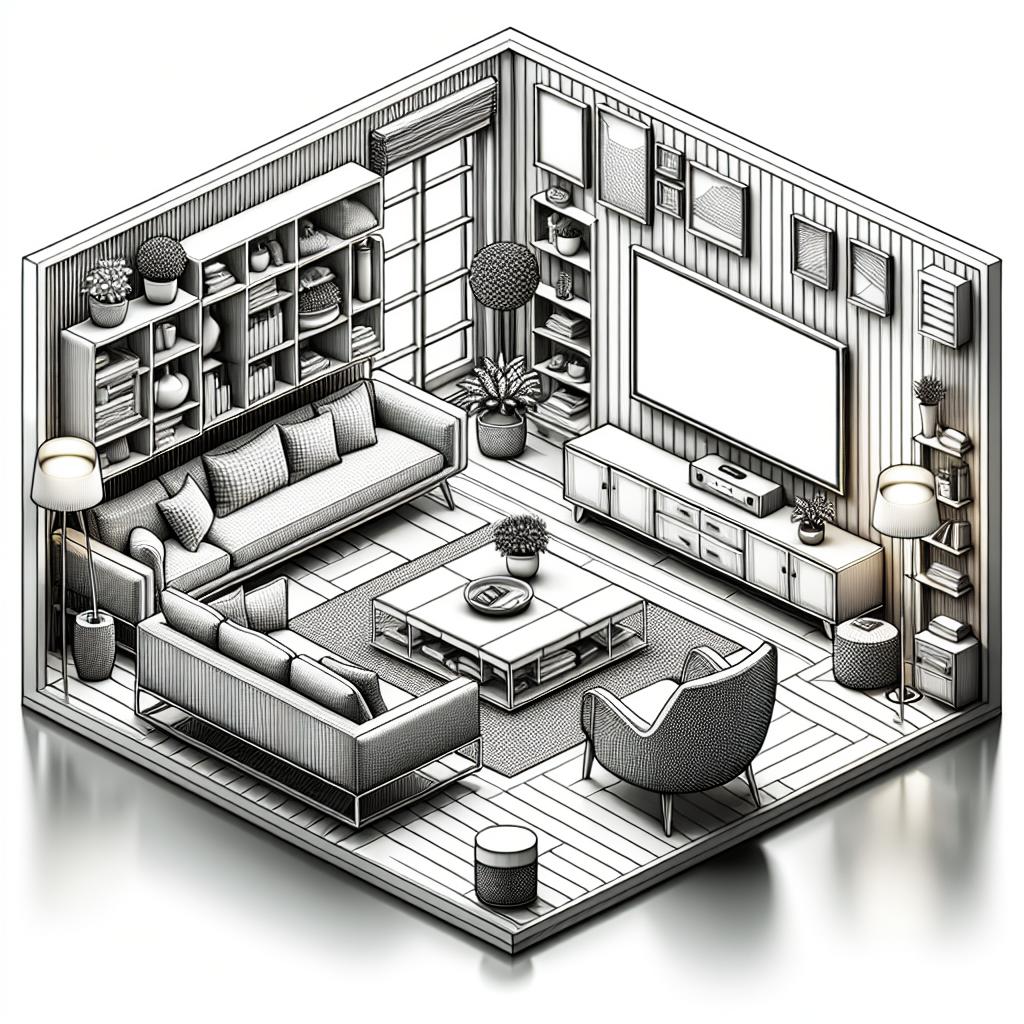
Arranging living room furniture can seem daunting, but with strategic planning and creative thinking, you can create a functional and aesthetically pleasing space. The layout of your furniture sets the tone for your living room, influencing both how the room feels and functions. From considering formal symmetry and counterbalancing the sofa to strategically connecting seating arrangements and introducing greenery, there are plenty of ways to enhance the comfort and style of your living room. In this guide, we’ll explore effective tips for each aspect to help you design a living space that reflects your personality while being inviting and practical.
Consider Formal Symmetry
Formal symmetry in furniture arrangement is about creating a balanced and harmonious environment in your living room. This approach often uses paired furniture pieces to evoke a sense of order and stability. Begin by identifying the focal point of your room, which could be a fireplace, a large window, or a TV unit. Arrange sofas, chairs, or tables symmetrically around this focal point for a cohesive look. This balance not only elevates the aesthetic appeal but also facilitates easy conversation between guests.
One key benefit of formal symmetry is its timeless elegance. Symmetrical arrangements are pleasing to the eye because they create visual stability. If you opt for this layout, keep traffic flow in mind, ensuring pathways remain clear for movement. Additionally, symmetry is versatile enough to accommodate various design styles, from traditional to contemporary. You can introduce symmetrical elements through accessories, such as matching lamps or artwork, which enhance the overall balance without overwhelming the space.
Counterbalance the Sofa
The sofa is often the centerpiece of a living room, and counterbalancing it effectively with other pieces of furniture is essential to maintaining equilibrium. If you have a large sofa, consider placing equally substantial chairs or a love seat opposite it to create visual weight on both sides of the room. This counterbalance helps prevent any one side from feeling too heavy or dominating the space.
For additional balance, integrate complementary furniture, such as a coffee table positioned at the center or side tables flanking the sofa. These elements not only provide functionality but also cohesive design flow. Experiment with textures and colors to contrast the sofa subtly without disrupting unity. Introducing elements like area rugs and lighting can also aid in creating a balanced, centered look, making your living room inviting and evenly distributed.
Connect Seating
Connecting seating effectively is crucial to making your living room functional and conducive to socialization. Use furniture arrangement to facilitate interaction and conversation. Place seating options, such as sofas and armchairs, in a circular or semi-circular configuration. This promotes engagement and ensures that everyone can easily communicate without raising their voices.
Additionally, consider the spacing between seating pieces. Ensuring an appropriate distance promotes comfort, allowing for easy movement while keeping people close enough to maintain intimacy. Adding elements like ottomans or benches can fill voids and offer additional seating options. The use of modular furniture that can be adjusted according to the occasion is also a strategic way to connect seating. It allows for flexibility while maintaining a cohesive arrangement.
Go Green, Strategically
Incorporating plants into your living space can add life, texture, and color to the room, enhancing mood and indoor air quality. When introducing greenery, choose placements that complement your furniture arrangement. Place tall plants in corners to break up harsh angles or use hanging plants over a seating area to draw eyes upwards, creating a sense of space and openness.
Be strategic about plant varieties and placement to ensure they thrive in your living room’s lighting conditions. For example, succulents or snake plants are low-maintenance options ideal for various light environments. Plants can also act as separators, subtly dividing spaces without the need for bulky furniture or partitions. This approach helps maintain a spacious feel while offering fresh air and a calming natural element to the room.
Summary of Main Points
| Concept | Description |
|---|---|
| Consider Formal Symmetry | Create balance with paired furniture around a focal point to establish order and enhance aesthetics. |
| Counterbalance the Sofa | Use equally sized furniture opposite the sofa to achieve visual equilibrium and create functional flow. |
| Connect Seating | Arrange seating in configurations that promote conversation and social interaction. |
| Go Green, Strategically | Introduce plants to add color and life, complementing furnishing while enhancing indoor air quality. |
“`