
“`html
The Greater Good: Embracing Natural Materials
In a world increasingly dominated by synthetic materials, more and more people are turning back to nature, rediscovering the beauty and benefits held by natural materials. Whether it’s through home decor, lifestyle choices, or environmental considerations, natural materials offer incredible value. This blog post explores the multifaceted benefits of incorporating natural materials into your decor and daily life and their contribution to a healthier environment. We’ll also share practical tips for integrating these materials seamlessly into your surroundings. Whether you’re a seasoned eco-enthusiast or a curious newcomer, this exploration of natural materials may inspire you to bring a bit of nature indoors.
Benefits of Using Natural Materials in Home Decor
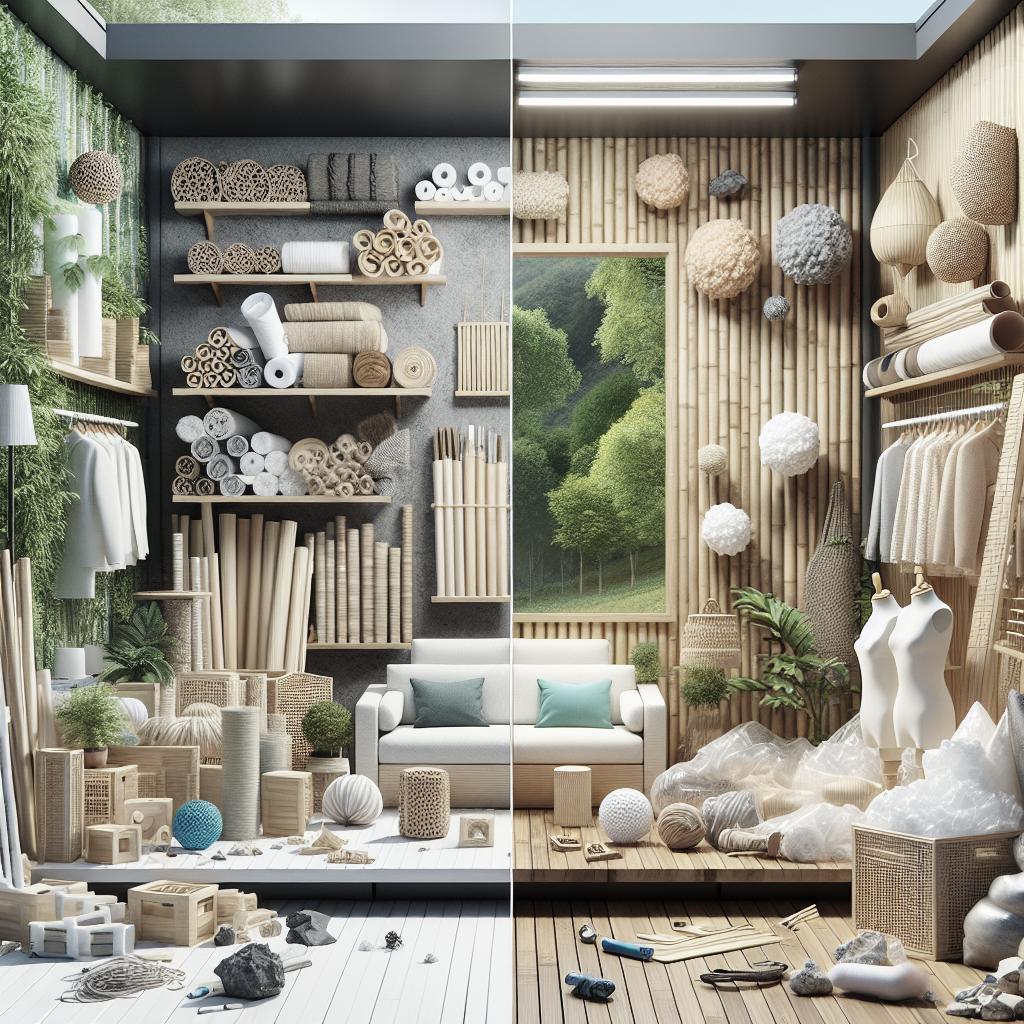
Natural materials bring an authentic aesthetic to home decor that synthetic materials often lack. The unique textures and patterns found in wood, stone, and fibers such as jute or cotton add depth and character to any space. These elements not only appeal visually but also create a sense of tranquility and calm, reminiscent of the natural world. Incorporating materials like bamboo, with its graceful lines and sustainable resilience, can elevate the elegance of interior spaces.
Apart from aesthetics, natural materials offer durability and longevity. Unlike many synthetic options that degrade over time, well-maintained wood or stonework can last for generations, sometimes becoming even more beautiful with age. This long-term durability makes natural materials a cost-effective option in the long run, reducing the need for frequent replacements and preventing additional waste.
Lastly, these materials can contribute to better air quality within your home. Many artificial products emit volatile organic compounds (VOCs) that can be harmful over time. Natural materials, on the other hand, generally have lower emissions of these compounds, promoting a healthier indoor environment. For example, wood naturally absorbs and releases moisture, which can help maintain optimal indoor humidity levels and reduce the occurrence of allergens.
How Natural Materials Contribute to a Healthier Environment
The environmental benefits of natural materials stem largely from their sustainability. Materials like wood, wool, and cork are not only renewable but also biodegradable, meaning they have a much smaller carbon footprint compared to synthetic alternatives. Utilizing these resources helps reduce our reliance on non-renewable resources such as petrochemicals and plastics, which are both energy-intensive and polluting to produce.
Furthermore, natural materials are often harvested and processed with eco-friendly methods. For instance, sustainably managed forests ensure that wood is harvested responsibly, with new trees planted to replace the ones cut down. This sustainable cycle helps preserve biodiversity and protects ecosystems from disruption.
Moreover, the use of natural materials aligns with the principles of a circular economy, where products are designed to be reused or recycled. The decomposition and eventual recycling of natural materials like cotton or wool mean they have a minimal end-life impact, closing the loop in their lifecycle. This stands in stark contrast to synthetic materials, which can linger in landfills for generations.
Tips for Incorporating Natural Materials into Your Everyday Life
Start small by selecting key pieces that showcase natural materials. Consider furniture made from reclaimed wood or a woolen rug to add texture and warmth to living areas. Simple swaps like opting for cotton or linen curtains instead of synthetic alternatives can also contribute to a more natural aesthetic.
A conscious choice to select finishes and accents of natural materials can go a long way. Explore accessories made from clay, terracotta, or jute baskets to infuse spaces with texture while maintaining functionality. Introducing plants is one of the easiest ways to bring the outdoors in, contributing both aesthetics and improved air quality.
Finally, prioritize quality and sustainability over quantity. Investing in high-quality, responsibly sourced natural materials will not only enhance your immediate environment but will also support industries committed to sustainable practices. Educating yourself about a product’s origins can empower you to make informed decisions that align with both your style and values.
Final Thoughts: Embracing the Beauty and Benefits of Natural Materials
| Aspect | Benefits |
|---|---|
| Home Decor | Enhanced aesthetics, durability, improved air quality, cost-effectiveness |
| Environmental Impact | Sustainability, eco-friendly harvesting, alignment with circular economy principles |
| Incorporation Tips | Select key natural materials, prioritize quality, educate yourself on sourcing |
Embracing natural materials is more than a trend; it’s a lifestyle shift towards sustainability, health, and wellbeing. Whether through subtle enhancements or comprehensive overhauls, integrating natural materials into your life offers longstanding benefits for you and the environment. As we continue to navigate an ever-changing world, reaching for materials that connect us to our roots can provide harmony and inspiration.
Leave a Comment
What are your thoughts on natural materials? Do you have a favorite way to incorporate them into your home or lifestyle? Share your insights and experiences with us in the comments below!
“`