
“`html
Designing an Eco-Friendly Garden: Top Tips and Ideas
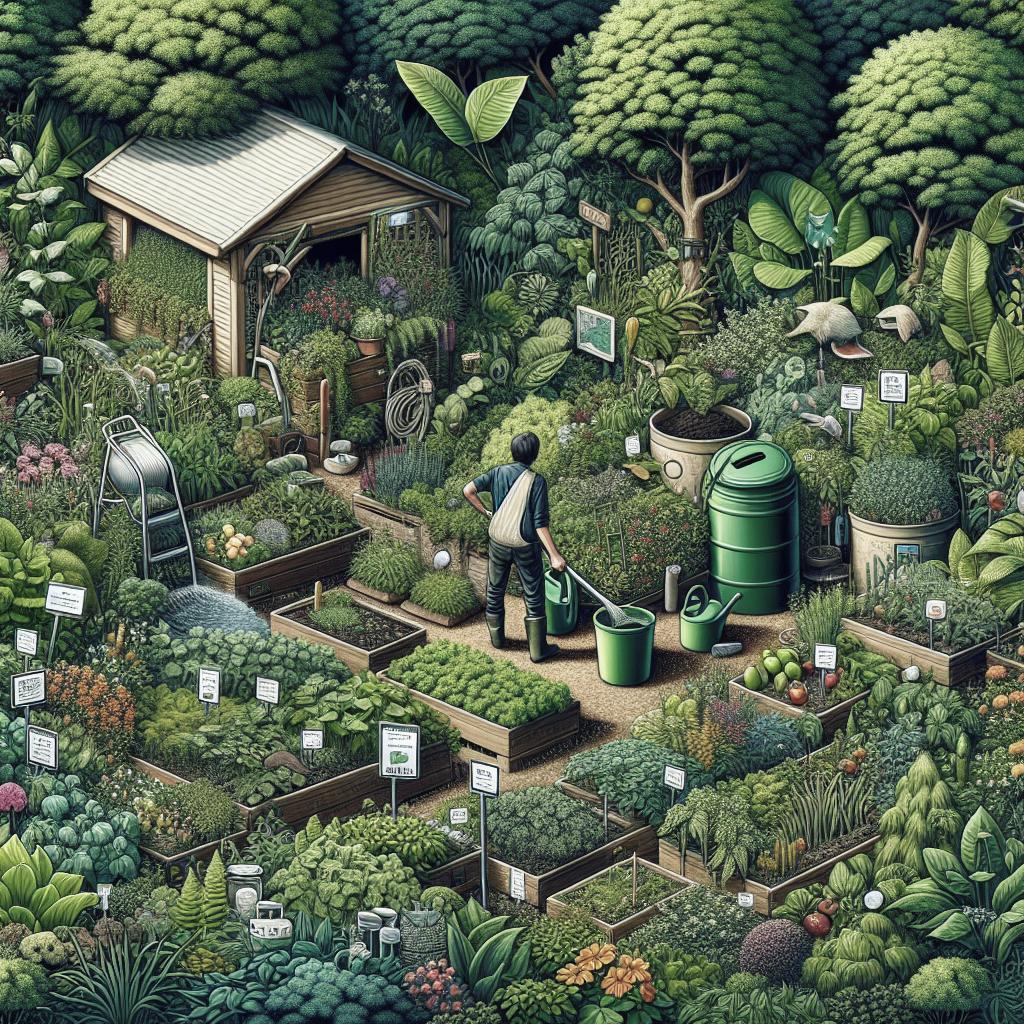
In today’s rapidly changing world, creating an eco-friendly garden is not only beneficial for our environment but also enriches our lives by offering a sustainable interaction with nature. This guide explores diverse strategies to make your garden more sustainable, from choosing native plants and employing permaculture techniques to using natural pest control and creating wildlife habitats. Read on to discover 28 practical tips divided into distinct sections to help you design a beautiful garden that supports biodiversity and contributes to a healthier planet.
Sustainable Garden Ideas
1. Plant Successional Blooms
Planting successional blooms ensures that your garden maintains its vibrancy throughout the year. This technique involves selecting plants that bloom at different times so that when one plant fades, another begins to blossom. It not only extends the visual appeal but also provides continuous resources for pollinators, making your garden a haven for bees, butterflies, and other beneficial insects.
To achieve this, consider a mix of early spring bloomers like daffodils, followed by summer perennials like coneflowers, and finish with fall favorites like asters. By carefully planning and layering your planting, you create a dynamic display that invigorates the garden with life and color across various seasons.
2. Use Companion Planting
Companion planting is a time-tested method where certain plant species are grown together for mutual benefit. This approach reduces the need for chemical inputs by naturally deterring pests and enhancing plant growth. For instance, basil planted near tomatoes can improve flavor and ward off insects that commonly target tomatoes.
Incorporating companion planting into your garden strategy not only optimizes space but also promotes healthy crop yields. Simple pairings, such as marigolds with vegetables to repel nematodes, exemplify how biodiversity can foster a more resilient garden ecosystem.
3. Cover Crops with Protective Nets
Protective nets serve as an excellent tool to safeguard your crops from unwanted bird and insect damage, without relying on harmful chemicals. These barriers are especially beneficial for fruit-bearing plants, keeping them safe until harvest. Transparent nets are ideal for maintaining sunlight exposure while providing necessary protection.
This approach is sustainable as it reduces dependency on pesticides, ensures higher yields, and supports organic gardening practices. Dust off those nets at the start of each season and witness a flourishing, bountiful garden under their safeguard.
4. Keep an Eye on the Weather
Being attuned to weather patterns can significantly benefit your garden’s health and productivity. Understanding rainfall, wind, temperature variations, and seasonal shifts allows you to prepare and protect your plants accordingly. Implementing features like rain gauges or soil moisture monitors can aid in planning your watering schedule.
By aligning planting and maintenance schedules with weather conditions, you minimize water waste, prevent disease, and reduce plant stress. This conscious approach leads to a more resilient garden that couples natural rhythms with sustainable practice.
5. Choose Resilient Varieties of Plants
Opting for hardy plant varieties ensures your garden can withstand fluctuating weather conditions and resist disease, reducing the need for intensive care. Look for species that are adapted to your local climate and soil type, offering natural robustness.
Resilient plants often require less watering, fertilizing, and pest control. For example, drought-tolerant succulents or disease-resistant roses are excellent choices for maintaining a low-maintenance, flourishing garden.
6. Improve Soil Health
Healthy soil is the cornerstone of a thriving garden. Enriching your soil with organic matter like compost enhances its structure, moisture retention, and nutrient availability. Regularly adding compost helps build a living, breathing medium that promotes robust plant growth.
Rotating crops, reduced tillage, and planting cover crops further improve soil health by preventing erosion and increasing biodiversity below ground. This sustainable approach ensures that your garden remains productive and vibrant year after year.
7. Choose Native Plants
Native plants are naturally suited to your local environment, making them an eco-friendly choice for any garden. They typically require less water and maintenance while providing essential habitat and food sources for the local wildlife.
By integrating native plants, you support local ecosystems and enjoy a garden that flourishes with minimal intervention. Researching regional native species can open up a world of unique and beautiful options for your garden that are both functional and sustainable.
8. Leave the Lawn to Grow
Embracing a more natural look for your lawn contributes to a rich tapestry of life. Allowing grass to grow longer fosters root depth, improves drought resistance, and encourages beneficial insects.
Consider mowing less frequently and opting for native wildflowers or clover to diversify the field. This method reduces maintenance time and energy, and provides a sanctuary for wildlife, transforming your once plain grass area into a thriving ecosystem.
9. Try Permaculture Gardening to Improve Eco-Credentials
Permaculture is a holistic design philosophy focused on creating self-sustaining agricultural systems. Implementing permaculture principles involves using strategies like companion planting, natural fertilizers, and water conservation to develop an efficient garden.
A permaculture garden offers multiple benefits, including reduced resource inputs and enhanced biodiversity. By mimicking natural ecosystems, this approach fosters resilience and productivity while minimizing your environmental footprint.
10. Plant a Dry Garden to Save Water
Dry gardening is an efficient approach that uses drought-resistant plants to create a sustainable landscape requiring minimal water. Succulents, cacti, and native shrubs often thrive in low-water scenarios, enhancing your garden’s resilience to climate variability.
Efficient water management strategies, such as mulching, utilizing pebbles or stones, and harvesting rainwater, further bolster this approach. This eco-conscious choice results in significant water savings and a beautiful, low-maintenance garden.
11. Plant Nectar-Rich Flowers to Attract Pollinators
Nectar-rich flowers are a vital food source for pollinators, including bees, butterflies, and birds. Designing your garden with an abundance of such flowers supports these essential species, which in turn aids in the pollination of fruits and vegetables.
Consider plants like lavender, foxgloves, and sunflowers to create a vibrant and diverse habitat. By focusing on nectar-rich options, you not only enhance your garden’s beauty but also play a crucial role in maintaining ecological balance.
12. Use Natural Pest Control
Natural pest control methods, such as introducing beneficial predators or using plant-based repellents, help maintain ecological balance without harmful chemicals. Ladybugs, for example, are an excellent ally in controlling aphid populations.
Diversifying plant species can help deter pests, as can planting aromatic herbs like mint or thyme. These eco-friendly techniques improve plant health and reduce the risk of chemical contamination, resulting in a safer environment for your family and local wildlife.
13. Collect Rainwater
Collecting rainwater is a simple and sustainable way to reduce your dependence on municipal water systems. Households can capture runoff from roofs and other surfaces using rain barrels or other collection systems.
Rainwater is highly beneficial for plants due to its purity and lack of salts and chemicals found in treated tap water. It’s an excellent resource for irrigation, particularly during dry spells, and significantly lowers utility bills, promoting water conservation.
14. Feed the Birds
Providing a reliable source of food for birds enhances biodiversity and establishes your garden as a wildlife sanctuary. Install feeders filled with seeds suiting various bird species, and consider adding bird baths to complete their habitat.
Birds contribute greatly to natural pest control, reducing the reliance on insecticides. Their presence adds life and melody to your garden, creating a lively yet tranquil atmosphere for you and your guests to enjoy.
15. Grow Your Own Vegetables
Growing your vegetables offers numerous advantages, including access to fresh produce, reduced carbon footprint, and the satisfaction of cultivating food sustainably. Popular beginner-friendly crops include tomatoes, lettuce, and carrots.
This rewarding endeavor involves using organic fertilizers and pest control methods, which enrich the soil and promote a healthier ecosystem. By reducing food miles and packaging waste, home gardens play a pivotal role in sustainable living practices.
16. Plant More Trees
Trees play a vital role in the ecosystem by providing oxygen, sequestering carbon, and offering shelter for wildlife. Increasing the number of trees in your garden helps counteract climate change and can also reduce your energy bills by shading your home.
Select species appropriate for your local climate and space, ensuring they have room to grow and thrive. The long-term benefit of planting trees includes improved air quality, reduced erosion, and a tranquil environment teeming with life.
17. Filter Pollution with Plants and Trees
Certain plants and trees are highly effective at filtering pollutants from the air, making them a valuable addition to urban gardens. Plants like ivy, ferns, and peace lilies absorb carbon dioxide and release oxygen, while also removing toxins.
Strategically placing such species near roads or industrial areas can mitigate pollution levels. This green solution contributes to a healthier environment, providing a cleaner, fresher atmosphere for your family and neighbors to enjoy.
18. Plant Hedges for Boundaries
Hedges are an environmentally friendly alternative to traditional fencing, providing natural barriers while enhancing biodiversity. Planting hedges like hawthorn, holly, or privet offers shelter and food for insects, birds, and small mammals.
These living boundaries grow and evolve, contributing to the dynamic character of your garden. Besides offering privacy and security, hedges contribute to soil stability and play a significant role in carbon sequestration, fortifying your garden’s eco-credentials.
19. Upcycle Garden Furniture
Upcycling garden furniture is a creative and eco-friendly way to furnish your outdoor space. By repurposing old items or using sustainable materials, you can reduce waste and create unique, personalized pieces.
Ideas include transforming pallets into rustic benches or converting barrels into planters. This inventive approach not only supports sustainability but also allows for the expression of individual style and creativity in your garden design.
20. Create Animal Shelters
Providing shelters for wildlife enhances your garden’s biodiversity and offers essential protection for small mammals, insects, and amphibians. Log piles, rockeries, and homemade bug hotels can serve as safe havens.
Encouraging a variety of species contributes to natural pest control and pollination. These small interventions yield a more vibrant, balanced ecosystem, creating a garden teeming with life and activity.
21. Make Your Own Compost
Composting is an excellent method to recycle garden and kitchen waste into a nutrient-rich soil amendment. Composting reduces landfill waste and improves soil structure, enhancing the health and productivity of your garden.
Bacteria and fungi break down organic materials, generating a natural fertilizer that fosters healthy plant growth. Establishing a compost system is straightforward and pays dividends by contributing to a sustainable, circular gardening practice.
22. Add a Water Feature
Incorporating a water feature like a pond or fountain not only adds tranquility but also supports local wildlife. Water sources attract diverse species, including birds, amphibians, and insects, enriching your garden’s ecosystem.
Sustainable water management, such as solar-powered pumps, reduces maintenance and energy use. A strategically placed water feature creates a soothing, refreshing focal point while promoting biodiversity and ecological harmony.
23. Create Natural Flood Defenses
Natural flood defenses, such as rain gardens and swales, manage stormwater effectively and sustainably. These landscape features slow down water runoff, reducing the risk of erosion and flooding.
By integrating flood defenses, you protect soil structure, enhance biodiversity, and create functional, beautiful spaces. Consider planting water-loving plants and designing pathways that promote water absorption, maximizing resilience in wet conditions.
24. Adapt and Replace
Adaptation is key to maintaining a sustainable garden. Regularly assess plant health and environmental changes to make informed adjustments. Replacing underperforming species with resilient alternatives ensures longevity and ecological balance.
Embracing change and innovation keeps your garden aligned with sustainability aims, enhancing its overall functionality and beauty. This proactive approach fosters an adaptable garden that thrives amid evolving conditions.
25. Future Proof Your Planting
Future-proofing ensures your garden thrives under changing climate conditions. Choose plant varieties that can withstand temperature extremes, water scarcity, and disease pressures.
Implementing mulching and optimizing soil health prepares your garden for future challenges. This forward-thinking strategy protects your investment and contributes to a garden ecosystem capable of enduring environmental shifts.
26. Look at What Grows Locally
Researching and observing local flora offers insight into what thrives in your area without intensive care. Incorporating successful local species ensures your garden flourishes with minimal intervention.
Community gardens, nurseries, and native plant societies offer guidance on species suited to local environments. By emulating local growth patterns, you create a garden poised for success, sustainability, and reduced input dependency.
27. Don’t Cut Down
Preserving mature trees and shrubs enhances your garden’s character and ecological value. Trees sequester carbon, provide habitat, and influence microclimates, offering numerous environmental benefits.
Pruning and maintenance allow you to keep these valuable assets healthy and thriving. This preservation ethos enhances your garden’s sustainability and anchors it within its natural landscape context.
28. Focus on Foliage, Form, and Texture
Focusing on foliage, form, and texture over fleeting blooms ensures year-round interest and diversity. Evergreen plants, grasses, and shrubs offer structure, creating a dynamic yet balanced ecosystem.
This strategy minimizes the need for excessive watering and fertilization, promoting resilience. By celebrating diversity in plant features, you craft an engaging and sustainable garden that captivates throughout every season.
What is a Sustainable Garden?
A sustainable garden integrates practices that reduce resource use and promote ecological balance. It strives for harmony with nature, supporting biodiversity, and conserving water, soil, and energy.
This type of gardening focuses on long-term stewardship of the land, prioritizing organic methods, native species, and efficient designs that mimic natural systems. By fostering a thriving habitat, sustainable gardens benefit both the environment and those who tend them.
What is Sustainable Planting?
Sustainable planting encompasses the selection and cultivation of plants best suited to local environments with minimal intervention. It involves biodiversity, resilience, and responsible resource use.
Key practices include using native species, incorporating companion planting, and considering plant health and adaptability. Sustainable planting aims to create balanced ecosystems, reducing external input reliance while enhancing garden productivity and vitality.
How Can I Make My Garden Sustainable?
To transition your garden into a sustainable paradise, embrace practices like collecting rainwater, using compost, and planting native species. Focus on soil health, biodiversity, and natural pest control to align with sustainability goals.
Incorporating innovative ideas, such as permaculture design and future-proofing, ensures your garden thrives amidst environmental changes. By cultivating a mindful and eco-conscious approach, you enhance your garden’s health, beauty, and contribution to the planet.
Sign Up to the Homes & Gardens Newsletter
Stay informed and inspired by subscribing to the Homes & Gardens newsletter. Receive expert advice, the latest trends, and creative ideas for all things gardening right to your inbox, tailored to help you craft your dream outdoor space.
Future Prospects
| Concept | Description |
|---|---|
| Sustainable Garden Ideas | Strategies like planting native species, permaculture gardening, and utilizing renewable resources to design eco-friendly gardens. |
| Key Techniques | Includes companion planting, natural pest control, and improving soil health to reduce resource reliance and enhance biodiversity. |
| Water Management | Practices such as collecting rainwater and planting drought-tolerant gardens to conserve water and limit usage. |
| Wildlife Support | Providing food, shelter, and diverse plant species to support ecosystem health and enhance biodiversity. |
| Upcycling and Resource Use | Integrating recycled materials and reducing waste by using upcycled furniture and creating compost. |
| Adaptation and Resilience | Fostering a garden ready for weather and climate variability through plant variety selection and future-proofing strategies. |
“`