
“`html
The Essentials of Coastal Design
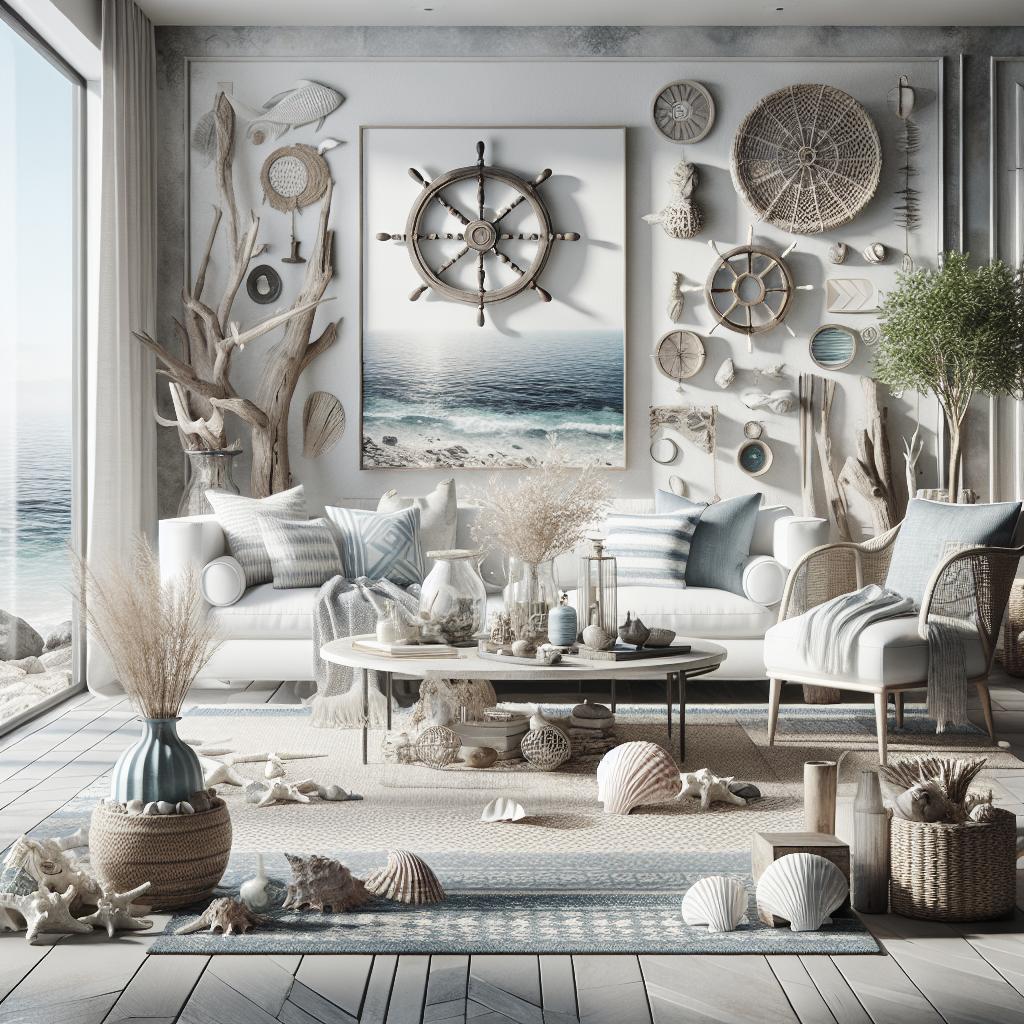
Coastal design is a sought-after style that evokes the calm and serene atmosphere of life by the sea. This interior design style draws inspiration from the natural elements found along the coast, including sand, sea, and sky. Not limited to beach homes, coastal style can be adapted to fit a variety of spaces, reflecting a range of aesthetics from casual and relaxed to more formal interpretations. Throughout this blog post, we will explore the different elements that constitute coastal design, showcasing its versatility and its ability to infuse any space with fresh, airy vibes. Discover how various colors, textures, and accessories come together to create this timeless and inviting style.
What Is Coastal Style?
Coastal style is all about capturing the essence of the seaside and incorporating it into the home. This style is characterized by a light and breezy feel, using colors such as whites, blues, and earthy tones that reflect the natural beauty of the coastline. Materials like linen, wicker, and driftwood play key roles in creating this aesthetic, bringing an organic touch to furniture and décor.
The beauty of coastal style lies in its adaptability. Whether you live in a bustling city or a quiet suburban neighborhood, you can bring the tranquility of the coast into your home. With mindful choices in furniture, color palettes, and decorative elements, the coastal style blurs the line between indoor and outdoor life, allowing for a peaceful retreat no matter the setting.
Coastal Style Is Casual
RX-HGMAG021_New-Old-House-136-a-4×3
The casual nature of coastal style makes it approachable and refreshing. It often incorporates relaxed furniture that invites lounging and comfort, such as plush sofas layered with textured throws and pillows. Natural light floods these spaces, enhancing their airy and open feel, while neutral tones foster a soothing environment.
Casual coastal style can be visually achieved through simple design elements, like open shelving displaying sea-inspired items and artfully arranged plants, which further emphasizes the laid-back vibe. This approach to design champions simplicity and functionality, making it an ideal choice for those who value ease and comfort.
White Coastal Dining Room With Oars
A coastal dining room filled with shades of white and other soft hues epitomizes the casual yet chic vibe of this design style. Incorporating elements like decorative oars can inject nautical flair, subtly reminding us of maritime adventures and leisurely beachside meals.
In white coastal dining rooms, furniture is often crafted from light-colored wood or painted white, complementing the soft palettes of the walls and textiles. The result is a space that feels cohesive and welcoming, perfect for both intimate family dinners and entertaining guests.
Or, Coastal Style Can Feel a Bit Formal
Coastal Dining Area With Blue Banquette
While typically associated with casual elements, coastal style can also adopt a more formal tone. This is achieved through the use of structured furniture and an emphasis on symmetry and balance. In more formal coastal designs, a blue banquette paired with a sleek dining table can provide an elegant backdrop for sophisticated gatherings.
Accent pieces made of polished metals or glass can elevate the look, adding a touch of glamour without detracting from the style’s natural essence. Formal coastal spaces may also utilize statement lighting fixtures, such as capiz shell chandeliers or pendant lights, which bring an element of drama while keeping true to the nautical theme.
Coastal Style Includes Shades of Sand + Sea
Coastal Bedroom With Oars
One of the defining features of coastal style is its color palette, which mirrors the earthy tones of sand and the refreshing blues of the ocean. These colors are prominently featured in coastal bedrooms, where the gentle hues create a serene sanctuary for rest and relaxation.
Decorative elements like oars leaning against a wall in a bedroom can reinforce the theme while adding visual interest. Bedding and upholstery typically feature patterns inspired by waves or coral, further connecting the design to its coastal roots and enhancing the overall tranquility of the space.
Or, Coastal Style Can Include Tropical Tones
Coastal style can also venture beyond neutral and blue tones, embracing vibrant hues reminiscent of tropical locales. This spin on coastal style injects spaces with energy and provides a vivid contrast against the more subdued traditional coastal palette.
Palms, bright floral arrangements, and pineapple motifs are often included to support this lively atmosphere, bringing a sense of adventure and playfulness into the home. Bold patterns and textiles can further emphasize this tropical variation, creating a dynamic and engaging interior full of personality.
Coastal Style Can Be a Bit Nautical
Coastal Coffee Table with Shells, Flowers and Books
Nautical elements are an integral part of coastal design, providing thematic details that can vary from subtle to bold. A well-styled coffee table featuring shells, a few well-chosen books with maritime themes, and fresh flowers encapsulates this nautical essence.
Incorporating elements such as striped patterns, anchor motifs, and rope-wrapped décor items can enhance the nautical aspect of a space. These designs allude to sailing and the sea, offering a timeless and classic appeal that resonates with those who love coastal living.
Coastal Style Is Easy to Source on the Cheap
Dining Room Filled With Eccentric Accessories
One of the greatest advantages of coastal style is its affordability. Many of its elements can be sourced inexpensively, either through DIY projects, flea markets, or budget retailers. Eccentric accessories, like vintage buoy lights and reclaimed wood pieces, can add character without breaking the bank.
Second-hand stores and online marketplaces are treasure troves for unique finds that contribute to a lived-in, personal feel. Coupled with a few strategic investments in key furniture pieces, these accessories can create a space that feels both curated and authentic.
Coastal Style Honors Mother Nature
Above all, coastal style pays homage to the natural world, echoing the beauty and serenity of the coastlines. This is evident in the materials chosen, such as raw wood, rattan, and organic linens, which all bring an understated elegance that complements the essence of the sea.
Design strategies often include sustainable practices and eco-friendly materials, reducing the environmental impact while maintaining an aesthetic that respects the earth. By embracing and integrating nature, coastal design inspires a harmonious balance between humans and their surroundings, celebrating the simplicity and wonder of natural coastal landscapes.
Final Thoughts
| Element | Description |
|---|---|
| What Is Coastal Style? | A design style capturing seaside aesthetics through light materials and airy spaces. |
| Coastal Style Is Casual | Focuses on comfort with relaxed furniture and simple design elements. |
| Coastal Style Can Feel Formal | Uses structured furniture and elegant accents for sophistication. |
| Colors of Sand + Sea | Shades evoking the natural coastal scenery for calm environments. |
| Tropical Tones | Includes vibrant, lively hues that energize the space. |
| Coastal Style Can Be a Bit Nautical | Features maritime elements like stripes and anchor motifs. |
| Easy to Source on the Cheap | Budget-friendly through DIY, second-hand, and accessible retail options. |
| Honoring Mother Nature | Incorporates natural materials and sustainable design practices. |
“`