
“`html
The Role of Symmetry in Decorating
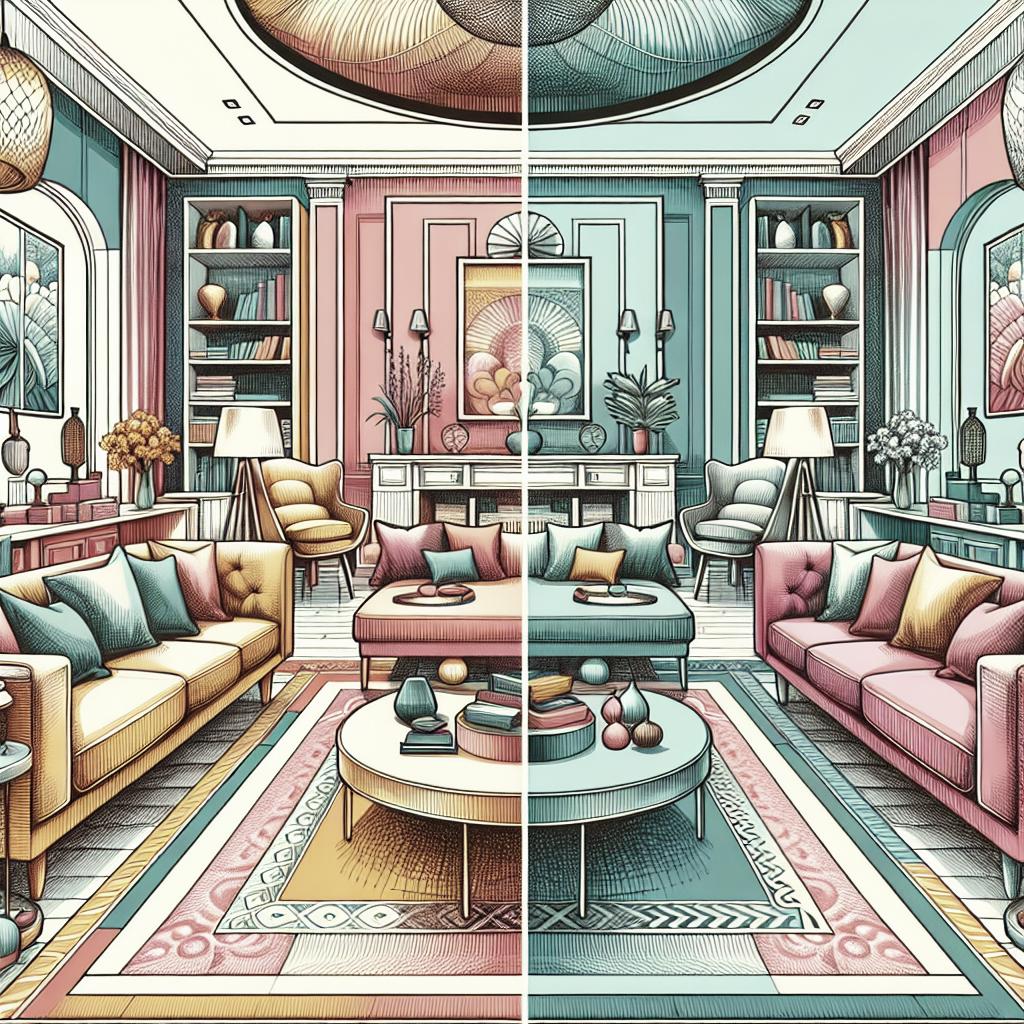
Symmetry has long been a staple in the world of decorating, offering a sense of balance and order to any space. Yet, its overuse can lead spaces to feel dated and lacking in creativity. Predictable symmetry can sometimes stifle design innovation and may make rooms feel too regimented. This blog post explores these critical issues, challenging the conventional symmetric approach to decoration. Further, we delve into embracing asymmetry, providing fresh and innovative ideas to leverage its potential for an aesthetic that is both modern and innovative. Join us as we uncover why breaking free from symmetry could be the key to unlocking a fresh design perspective.
Symmetry is Dated and Overused
Once considered the pinnacle of well-thought-out design, symmetry is now seen by many as dated and lacking in originality. While it is true that symmetry provides a sense of balance and harmony, the quest for perfection in mirrored spaces can be detrimental to creativity. Spaces that overly rely on symmetry can often feel like they adhere too closely to traditional styles, which may not appeal to those seeking a cutting-edge or modern aesthetic.
Today’s decorators and homeowners often look for designs that tell a story or invoke a personal flair that symmetry does not always allow for. By clinging too closely to symmetry, one might miss opportunities to incorporate unique and innovative elements that could enrich a space’s visual and emotional appeal. This dependence on symmetry often results in spaces that are beautiful yet uninspired, offering little in terms of newness or surprise.
Symmetry is Predictable
A predictable layout can detract from the dynamic and engaging elements that make a space memorable. With symmetry, every side mirrors the other, leaving little room for surprises. This repetitive nature can lead to monotony, which may not hold the interest of those experiencing the space. Predictability in design can negate the chance for intrigue and exploration, vital components that engage people within an environment.
Predictability can also limit the potential for designs to evolve. In spaces where symmetry dictates arrangement, altering one side requires the same adjustments on the other. This can make redesigns difficult and limit transformative style changes, thus stiflying innovation and the ability to introduce eclectic elements that could otherwise refresh your décor.
Symmetry Can Feel Too Regimented
The regimented structure of symmetry can lead to spaces that feel overly formal or stiff, lacking the warmth and comfort often desired in a home or an intimate space. This rigidity can make rooms feel more like showpieces rather than lived-in spaces. Formality and grace are appreciated, but they should not compromise the welcoming feeling of a room that invites relaxation and personal expression.
Additionally, symmetric arrangements might restrict functionality. With a rigid focus on maintaining equal balance, rooms might become less adaptable to the changing needs and patterns of daily living. The inflexibility can thus lead to a decrease in usability, reducing the space’s overall effectiveness and comfort.
How Should I Embrace Asymmetry?
Embracing asymmetry opens up ways for innovation and creativity in design. It allows decorators to play with form and function more freely, creating spaces that feel dynamic and engaging. This approach encourages experimentation with textures, colors, and layouts that do not necessarily match but complement each other to build a cohesive, lively environment.
Incorporating asymmetry provides the freedom to highlight personal tastes and stories, where each piece can be selected for its uniqueness rather than how well it adheres to a mirrored layout. Asymmetry allows for pieces to stand out, bring focus, and often, an element of surprise that invites interest and conversation. By breaking free from the constraints of symmetry, one can truly innovate and bring a fresh aesthetic to any decor.
Be The First To Know
Stay ahead in the world of design and decorating by shedding the conventions of symmetry in favor of a more daring approach. Asymmetrical design is quickly gaining momentum, offering a way to express individuality and creativity that was once dominated by uniformity. As technology and modern tastes evolve, so does the potential for décor that embraces change and plays with unexpected elements.
Join the cutting-edge community of design enthusiasts who understand that perfection is subjective, and beauty can be found in the unexpected. By expanding your design perspectives and daring to venture beyond the symmetrical norm, you ensure your spaces not only reflect the current trends but also stand the test of time through their unique charm and innovation.
Summary of Main Points
| Aspect | Points Discussed |
|---|---|
| Symmetry is Dated and Overused | Leads to uninspired spaces; misses unique elements |
| Symmetry is Predictable | Lacks intrigue; limits design evolution |
| Symmetry Can Feel Too Regimented | Overly formal; restricts functionality |
| How Should I Embrace Asymmetry? | Encourages creativity; highlights unique pieces |
| Be The First To Know | Stay ahead with daring, unique decorating approaches |
“`