
“`html
How to Choose Eco-Friendly Home Appliances
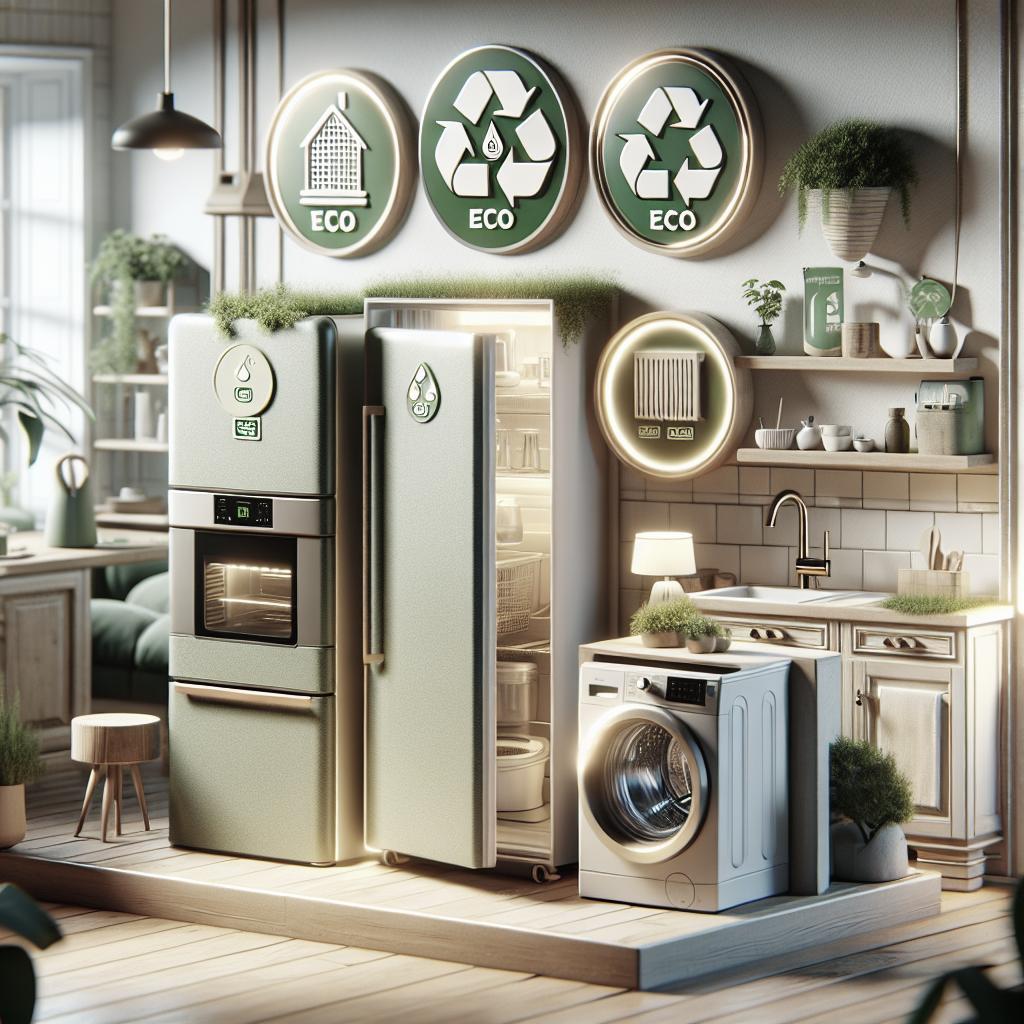
Choosing eco-friendly home appliances is a critical step towards sustainable living, reducing both your carbon footprint and energy bills. With the variety of options available, knowing what to look for can make a significant difference. This guide delves into selecting energy-efficient chest freezers, refrigerators, heating and cooling solutions, washing machines, clothes dryers, and dishwashers. We’ll discuss when to replace and recycle your appliances, emphasize the importance of the ENERGY STAR label, and explore potential tax benefits and savings from energy-efficient choices. Step into a greener future with confidence and intellect by understanding the factors that make appliances eco-friendly.
Chest Freezers
Chest freezers are valuable assets for households that need extra storage for frozen goods, and choosing an eco-friendly one can help reduce energy consumption. Look for models with high energy efficiency ratings, as these use less electricity to keep items frozen. Features such as improved insulation and manual defrost options minimize energy usage, reducing greenhouse gas emissions and operational costs.
When choosing a chest freezer, consider the size that fits your needs because an oversized unit will consume more energy than necessary. Additionally, check for a good sealing system to prevent air leaks and maintain consistent internal temperatures. Many modern models also incorporate temperature alarms, power outage indicators, and security locks, adding convenience while being energy-friendly.
Refrigerators
Refrigerators are among the most energy-intensive appliances in your home, operating 24/7. Newer models are designed with advanced technologies for better efficiency and lower energy consumption. Key features to look for include adjustable shelving, LED lighting, and inverter compressors, which adapt to cooling demands and reduce overall energy use.
The size of the refrigerator matters when considering energy efficiency. Larger units generally consume more energy, so opt for a size that matches your household needs without going excessively large. Additionally, consider models with separate cooling sections, like bottom freezers or French doors, to maintain different zones more efficiently.
Cooling and Heating
Your home’s heating and cooling systems significantly influence energy consumption levels. Look for systems with high Seasonal Energy Efficiency Ratios (SEER) and Energy Efficiency Ratios (EER). These ratings indicate better performance and lower operational costs in the long run. Smart thermostats are also beneficial in managing home temperatures efficiently, learning your habits, and adjusting settings to minimize energy waste.
In addition to selecting efficient units, ensure that your home is well-insulated and that duct systems are sealed properly. This will prevent energy loss and ensure your equipment is operating at optimal efficiency. For environmentally conscious consumers, consider geothermal heat pumps as they utilize natural ground temperatures, providing an eco-friendly alternative to traditional HVAC systems.
Washing Machines
When selecting washing machines, front-loading models are generally more energy-efficient compared to top-loading ones. They use less water and spin faster, extracting more water and reducing drying time and energy usage. Look for machines with high spin speeds and multiple washing cycles, including eco-cycles that use cooler water and shorter washing times.
Opting for washing machines that are ENERGY STAR certified ensures you are choosing units that meet strict energy savings guidelines. Consider using cold water for washing whenever possible as it conserves energy typically used for heating water. Moreover, models with larger drum capacity reduce the number of loads needed, further conserving water and energy.
Clothes Dryers
Clothes dryers can be significant energy consumers, but choosing an eco-friendly model can mitigate this. Heat pump dryers are one of the most efficient options, as they recycle heat to dry clothes, using far less energy compared to traditional electric heaters. Additionally, dryers with moisture sensors can automatically shut off when clothes are dry, avoiding unnecessary energy use.
When possible, line-dry clothes to minimize dryer usage altogether, further reducing energy consumption. When purchasing a new dryer, check for models that offer shorter cycles, and settings tailored to specific fabric types, helping to conserve energy. Consider combining your purchase with a washing machine to acquire matching, energy-efficient sets that work synergistically.
Dishwashers
Modern dishwashers offer substantial energy savings compared to manual dishwashing, especially when equipped with advanced energy-saving technologies. Models with soil sensors adjust the water usage based on load cleanliness, while delay-start options allow you to run loads during off-peak energy hours, conserving energy.
Compared to older models, contemporary dishwashers come with energy-efficient motors and better insulation to retain heat during cycles. These features not only save energy but also improve overall cleaning efficiency. Additionally, ensure your dishwasher has adjustable racks and multiple cycle options to maximize load capacity efficiently.
When to Replace and Recycle
Timing is crucial when deciding to replace appliances. Older appliances, often with poor energy ratings, should be replaced to improve energy efficiency. Evaluate the age, condition, and performance of your current models and compare them with newer options. Energy savings from modern appliances often justify the cost of replacement in savings over time.
Recycling old appliances is also essential in reducing environmental impact. Many retailers offer recycling programs where old units are taken back and properly dismantled. Proper recycling ensures that metals and components are reused or disposed of safely, reducing landfill waste and conserving natural resources. Consider donating functioning appliances to local charities as another eco-friendly option.
Look for ENERGY STAR
ENERGY STAR is a crucial label to identify when purchasing eco-friendly appliances. Products with this label meet rigorous energy efficiency and performance standards set by the Environmental Protection Agency (EPA). Choosing ENERGY STAR appliances often results in significant energy savings over time and a minimized environmental footprint.
Beyond just looking for the label, research specific models’ energy use per year, as this can vary even within ENERGY STAR categories. Over time, the initial investment in these certified appliances pays off with lower electricity bills and longer appliance life spans, contributing to both environmental and personal financial health.
Taxes and Savings on Energy Efficient Appliances
Purchasing energy-efficient appliances doesn’t just result in lower energy bills—it can also offer tax benefits. Many regions offer tax credits or rebates for buying ENERGY STAR-certified appliances or participating in specific eco-friendly programs. These incentives aim to encourage people to make sustainable choices and contribute to energy conservation efforts.
Research the availability of rebates and tax credits in your area before making purchases, as these can significantly offset initial costs. Utilities companies may also provide additional incentives or reduced rates for homes utilizing energy-efficient solutions. Always save documentation and receipts, as they are necessary when claiming these savings.
Next Steps: Summary Table
| Appliance Category | Key Considerations |
|---|---|
| Chest Freezers | Energy efficiency ratings, proper sizing, sealing systems |
| Refrigerators | Inverter compressors, appropriate sizing, separate cooling zones |
| Cooling and Heating | SEER/EER ratings, smart thermostats, insulation |
| Washing Machines | Front-loading models, ENERGY STAR certification, spin speed |
| Clothes Dryers | Heat pump dryers, moisture sensors, line-drying consideration |
| Dishwashers | Soil sensors, energy-efficient motors, cycle options |
| Replacement and Recycling | Age and efficiency evaluation, recycling programs, donations |
| ENERGY STAR | Label recognition, model-specific energy usage |
| Taxes and Savings | Tax credits, rebates, utility company incentives |
“`